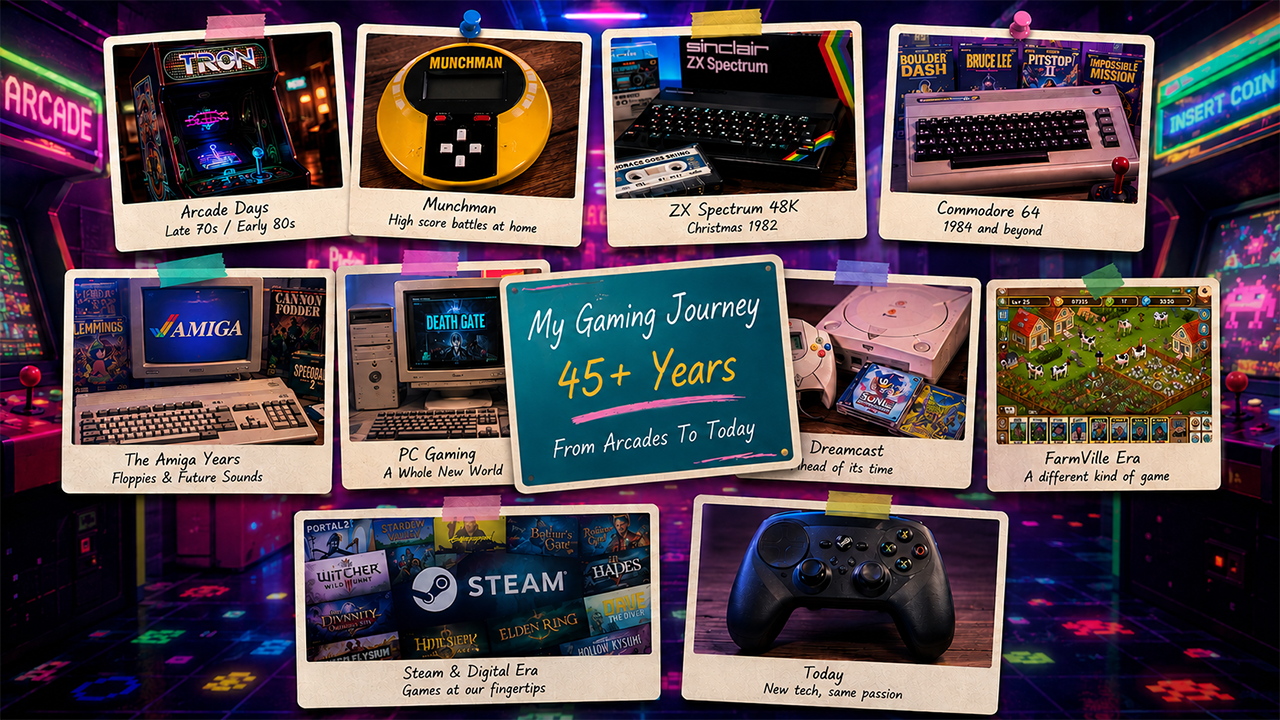
Then one day, everything changed. Tron arrived. The cabinet looked unlike anything else in the arcade, with its distinctive design standing out from every machine around it. There were queues of people waiting to play, crowds gathered around watching and barely enough room to get close enough to see what was happening on the screen. It felt like gaming had suddenly stepped into the future.
Not long afterwards came the rise of handheld electronic games. Titles inspired by Asteroids, Space Invaders and Pac-Man appeared in toy shops and department stores. In our house, money was often tight, so while many children had the latest branded versions, we had Munchman. It didn't matter. We loved it. The only problem was my dad's high score. No matter how hard any of us tried, nobody could get anywhere near it.
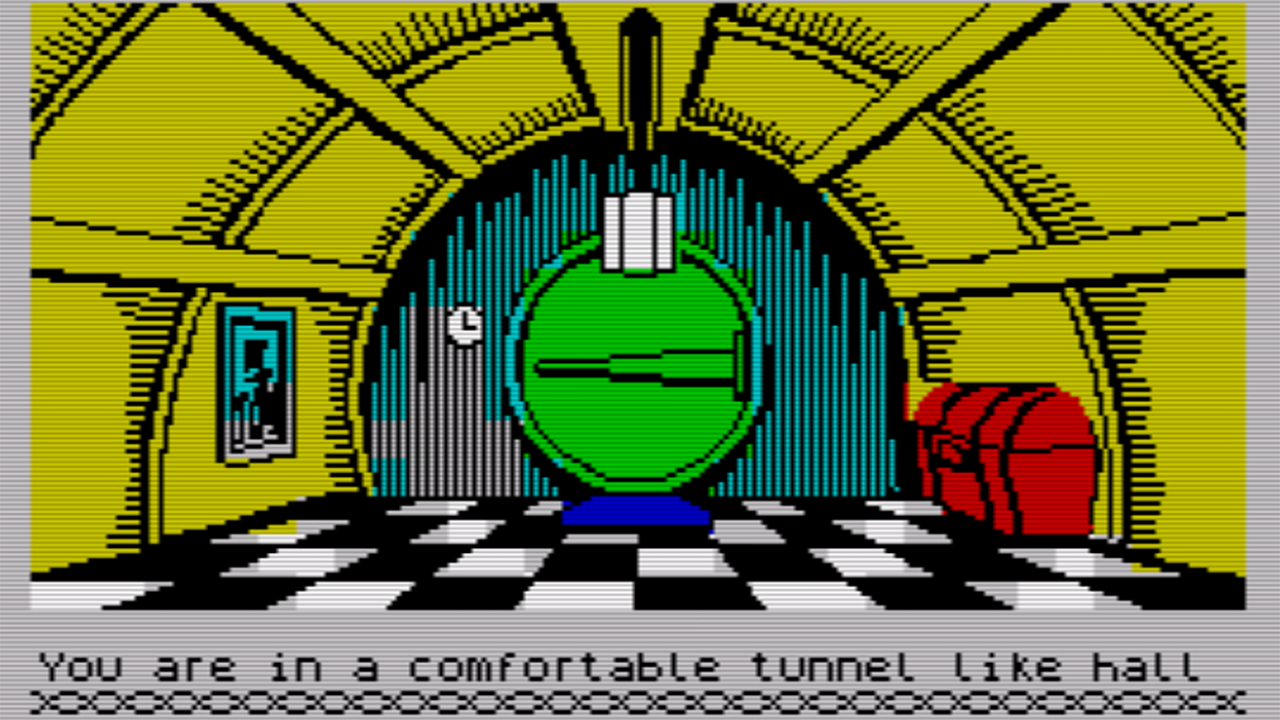
The Spectrum introduced me to classics such as Manic Miner, Jet Set Willy, Sabre Wulf and Wizball, but two games left a particularly lasting impression on me. The Hobbit showed me that games could tell stories and create worlds through imagination, while Elite demonstrated a scale and freedom that seemed almost impossible at the time. Looking back now, it's easy to see why both titles became so influential.
Of course, many of my friends chose the Commodore 64 instead. It had better graphics, better sound and a reputation for being the more powerful machine. Oddly enough, I never felt jealous. I absolutely loved my Spectrum. Eventually, however, I upgraded to a Commodore 64 of my own. Thankfully, my treasured Quickshot 2 joystick worked perfectly on both systems.
The Commodore 64 era brought with it another wave of unforgettable games. Boulder Dash, Bruce Lee, Impossible Mission and Pitstop II became firm favourites. For several years the C64 dominated my gaming life. Eventually, though, real life began to take over. By the time I reached sixteen, computers were spending more time gathering dust while I discovered that girls had suddenly become much more interesting than gaming.
The Amiga remains one of my favourite gaming platforms of all time. Games such as Lemmings, Turrican II, Cannon Fodder, Speedball 2, Populous, The Secret of Monkey Island, Dungeon Master and Eye of the Beholder showcased what the machine could do. Graphics improved dramatically, sound quality took a huge leap forward and gaming felt more sophisticated than ever before.
There was one problem, however. Championship Manager. What started as a football management game quickly became an obsession. Hours disappeared. Days vanished. Eventually I imposed a self-ban and stopped playing entirely. It remains one of the few games I've ever deliberately forbidden myself from revisiting because I know exactly how easily it could consume my time all over again.
Then came the PC, and once again everything changed. Moving from the Commodore 64 to the Amiga had felt like a significant step forward. Moving from the Amiga to a PC felt like travelling to another planet. The performance, graphics and sound were unlike anything I had experienced before. The arrival of Sound Blaster cards transformed audio completely and games suddenly felt cinematic.
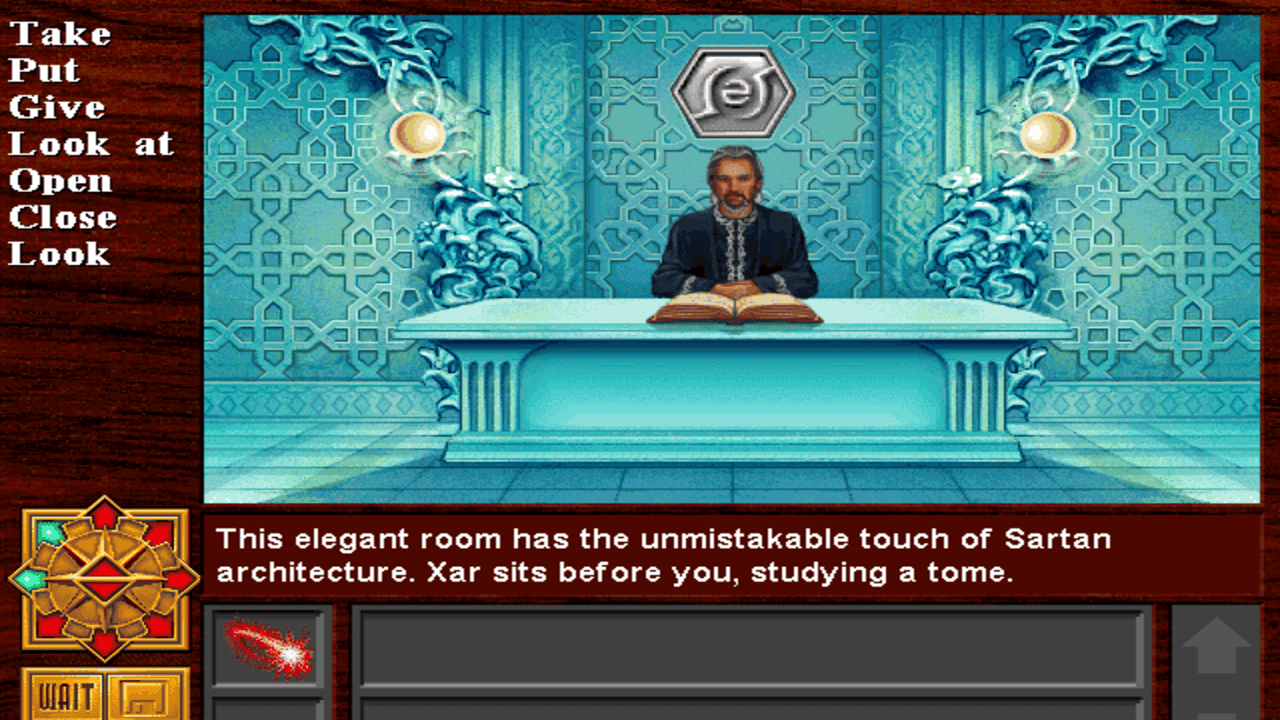
My first PC game was Death Gate, a graphical adventure that remains one of my favourite games to this day. At the time I was living in Switzerland and often had a lot of time to myself. Learning how to use a computer became both a hobby and a companion. The atmosphere, storytelling and presentation of Death Gate left a lasting impression that very few games have managed to match since.
The PC years introduced me to countless classics. Diablo, Day of the Tentacle, Warcraft, Rise of Nations, Age of Empires and the Civilization series all became major parts of my gaming life. By this point gaming had evolved far beyond simple arcade experiences. Games were becoming larger, deeper and more immersive with every passing year.
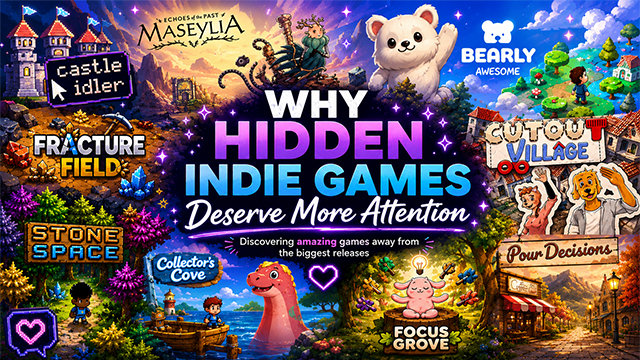
Why Hidden Indie Games Deserve More Attention
A look at why hidden indie gems deliver some of gaming`s best experiences, despite never becoming the biggest releases.
The Dreamcast remains one of my favourite consoles ever created. I still own mine today, carefully boxed along with an extensive collection of games. Sonic Adventure, Jet Set Radio, Rez, SoulCalibur, Crazy Taxi, Rayman 2 and Phantasy Star Online are just a handful of the titles that made the system special. Despite its commercial struggles, I still believe the Dreamcast was ahead of its time.
Around the same period, mobile gaming began to emerge. Unlike many players, it never really appealed to me. I've always preferred gaming on larger screens and proper gaming hardware. While mobile gaming went on to become one of the largest segments of the industry, it remains one area of gaming that I've largely ignored.
The Nintendo Wii brought gaming back into the living room in a completely different way. Suddenly gaming became something that everyone could enjoy together. Wii Sports, Mario Kart and countless family gaming sessions created memories that were very different from the solitary gaming experiences of my earlier years. Like my Dreamcast, my Wii remains safely stored away today as part of my personal gaming history.
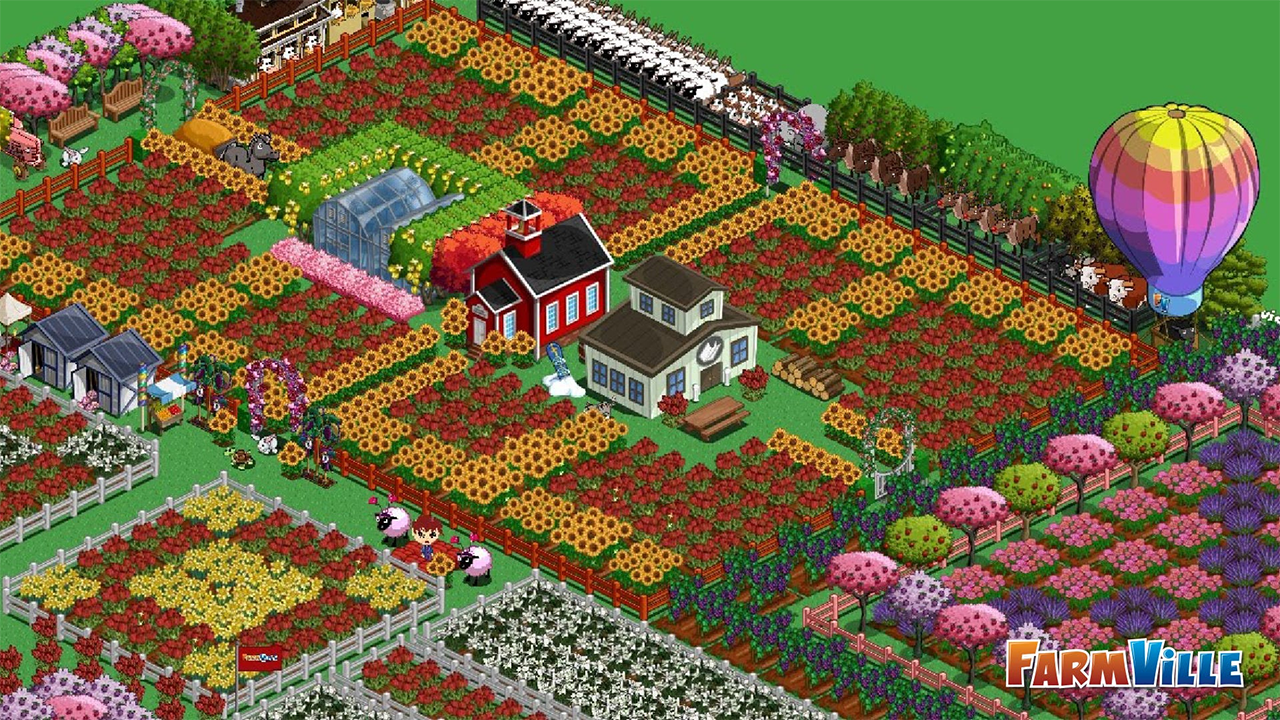
Not every gaming trend was positive. When I joined Facebook, I quickly became hooked on games such as FarmVille and the countless social games that followed. For a while they were hugely entertaining, but eventually the endless notifications, requests and spam became overwhelming. Looking back, it feels like the point where social media started shifting away from connecting people and towards something far less enjoyable.
Today, gaming is almost unrecognisable compared to the hobby I discovered in arcades all those years ago. Physical media has largely given way to digital downloads. Services such as Steam have made it possible to purchase and install games within minutes. Indie developers can now reach global audiences without needing the backing of major publishers, leading to an explosion of creativity and innovation.
In many ways, modern indie gaming reminds me of the early home computer era. Small teams and passionate creators are once again experimenting with unusual ideas and taking risks. Some of the most enjoyable games I've played in recent years have come from independent developers rather than giant studios.
Perhaps the most surprising change of all is that gaming is no longer just about playing games. Today I create videos, write reviews, run a website and share my experiences through De Tom Plays. I even have help from an AI assistant called Sam. Back when I was waiting in line to play Tron in a crowded arcade, the idea that I'd one day be discussing games with artificial intelligence while sharing my thoughts with people around the world would have sounded like pure science fiction.
Gaming has changed beyond recognition during my lifetime. Yet despite the advances in graphics, technology and distribution, the thing I've always loved most remains exactly the same. Whether it was Dig Dug in an arcade, Elite on a Spectrum, Championship Manager on an Amiga or a hidden indie gem on Steam today, gaming has always been about discovery, fun and creating memories that stay with us for years afterwards.
About De Tom Plays
De Tom Plays is a gaming website and YouTube channel focused on discovering hidden gems, indie games, demos, playtests, tower defence games, incremental games and cosy experiences. With more than 45 years of gaming experience, Tom shares gameplay videos, reviews and articles designed to help players find games worth their time.
Learn More About TomRelated Articles
More thoughts, discoveries and articles from De Tom Plays.
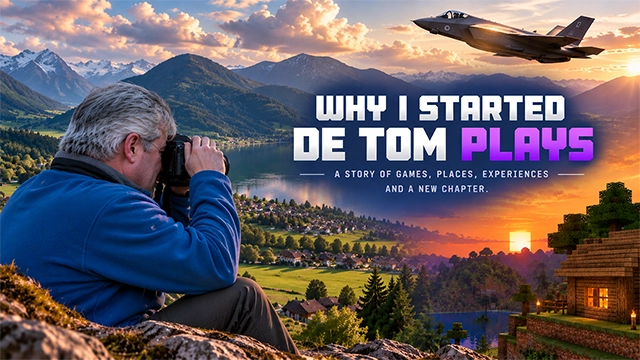
🎮 Why I Started De Tom Plays
🎮 After more than 40 years of gaming, a quiet Minecraft session sparked an idea. This is the story of why I started De Tom Plays, what I hoped to achieve and why sharing great games now means so much to me.
Read Article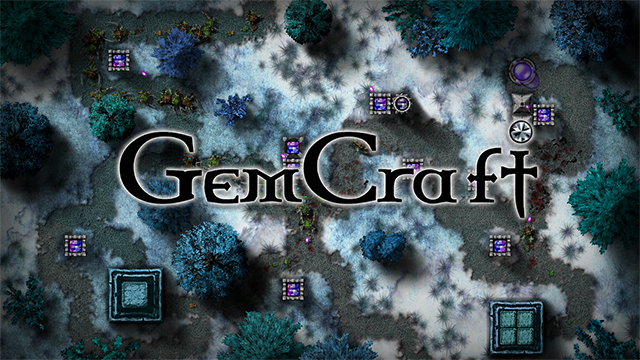
Why Has Gemcraft Remained So Well Played After All This Time?
💎 GemCraft has been captivating Tower Defence fans since 2008. Discover why its unique gameplay, clever progression and timeless design still keep me coming back after all these years.
Read Article