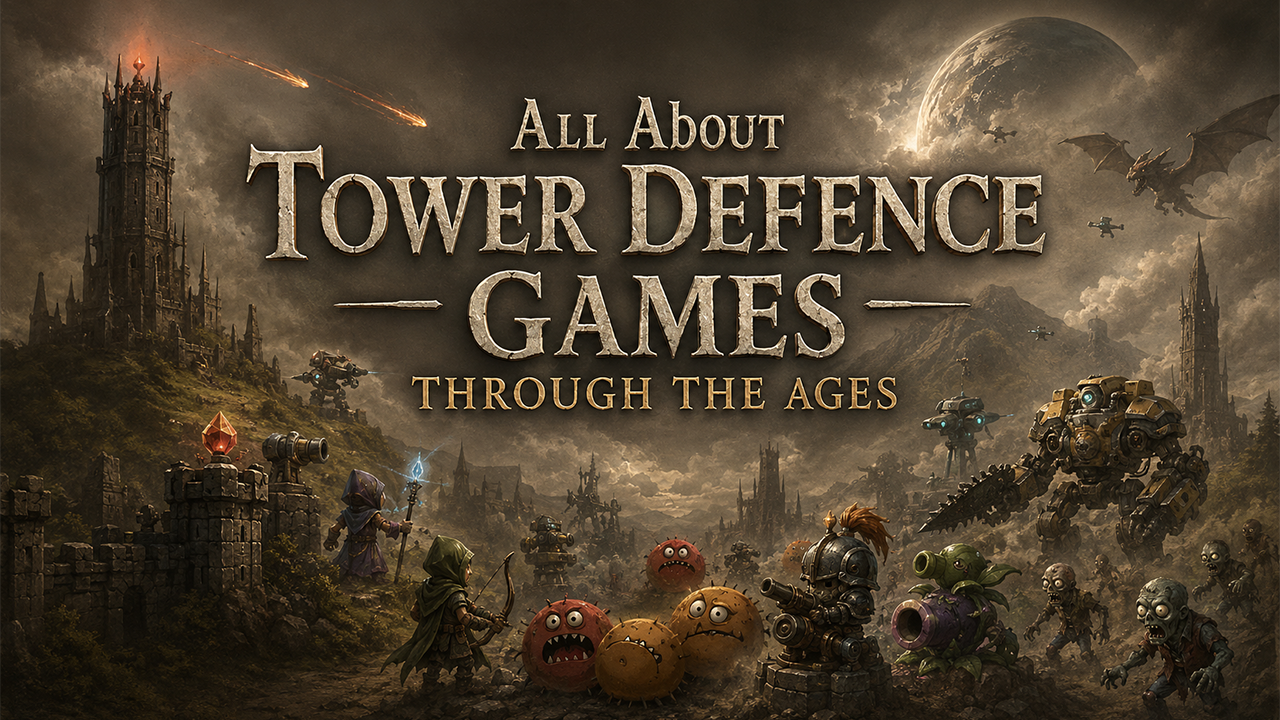
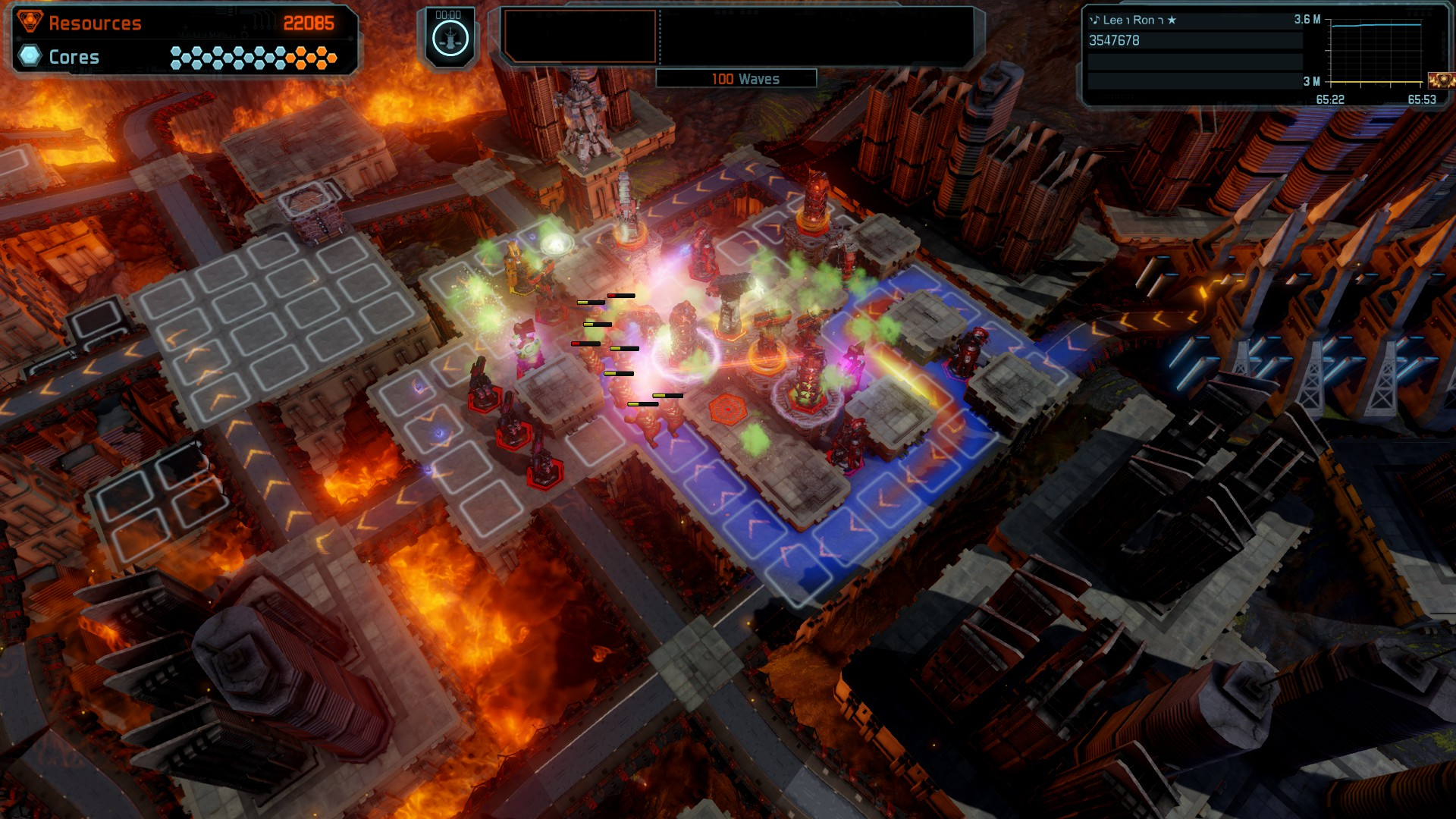
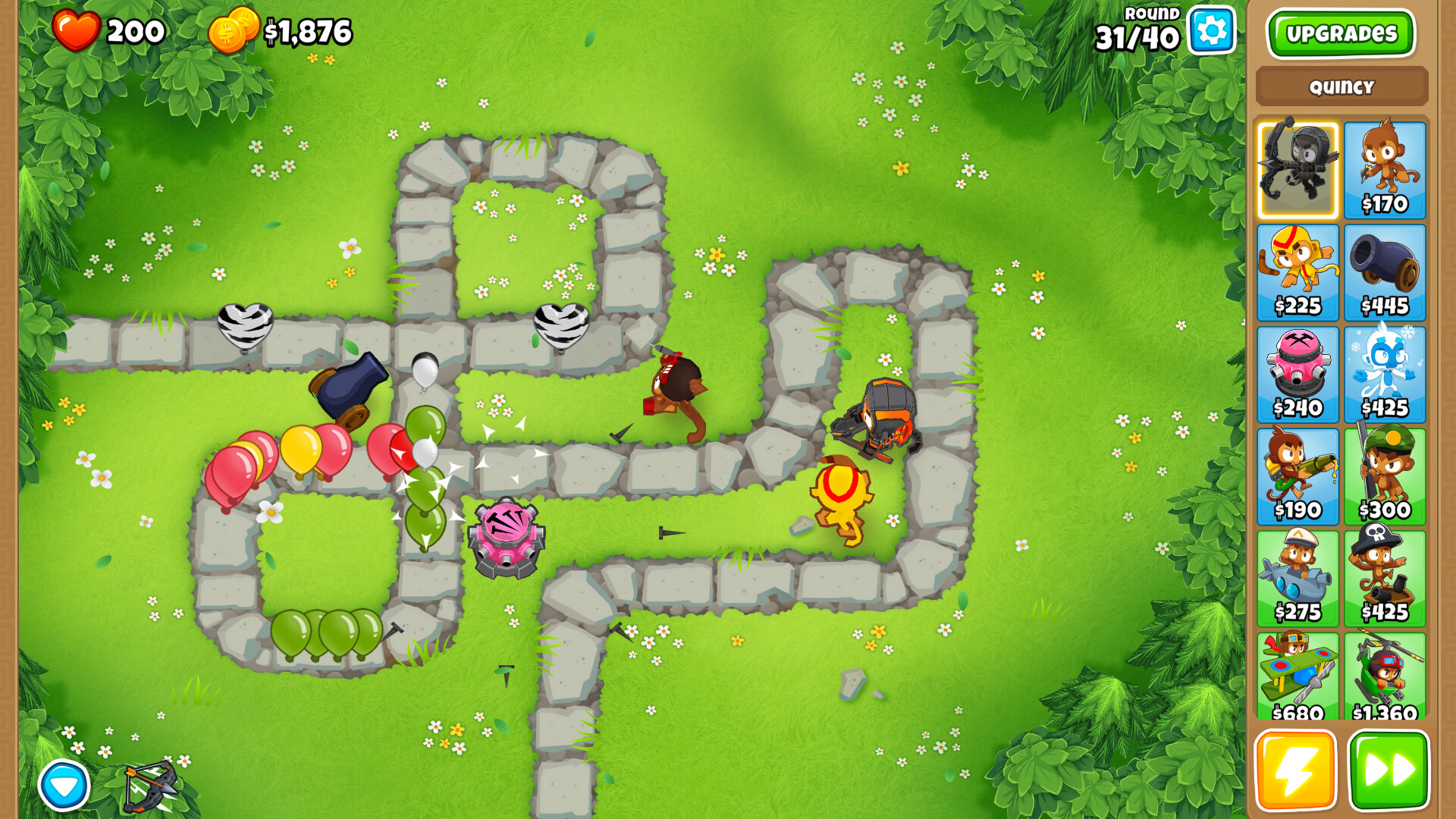
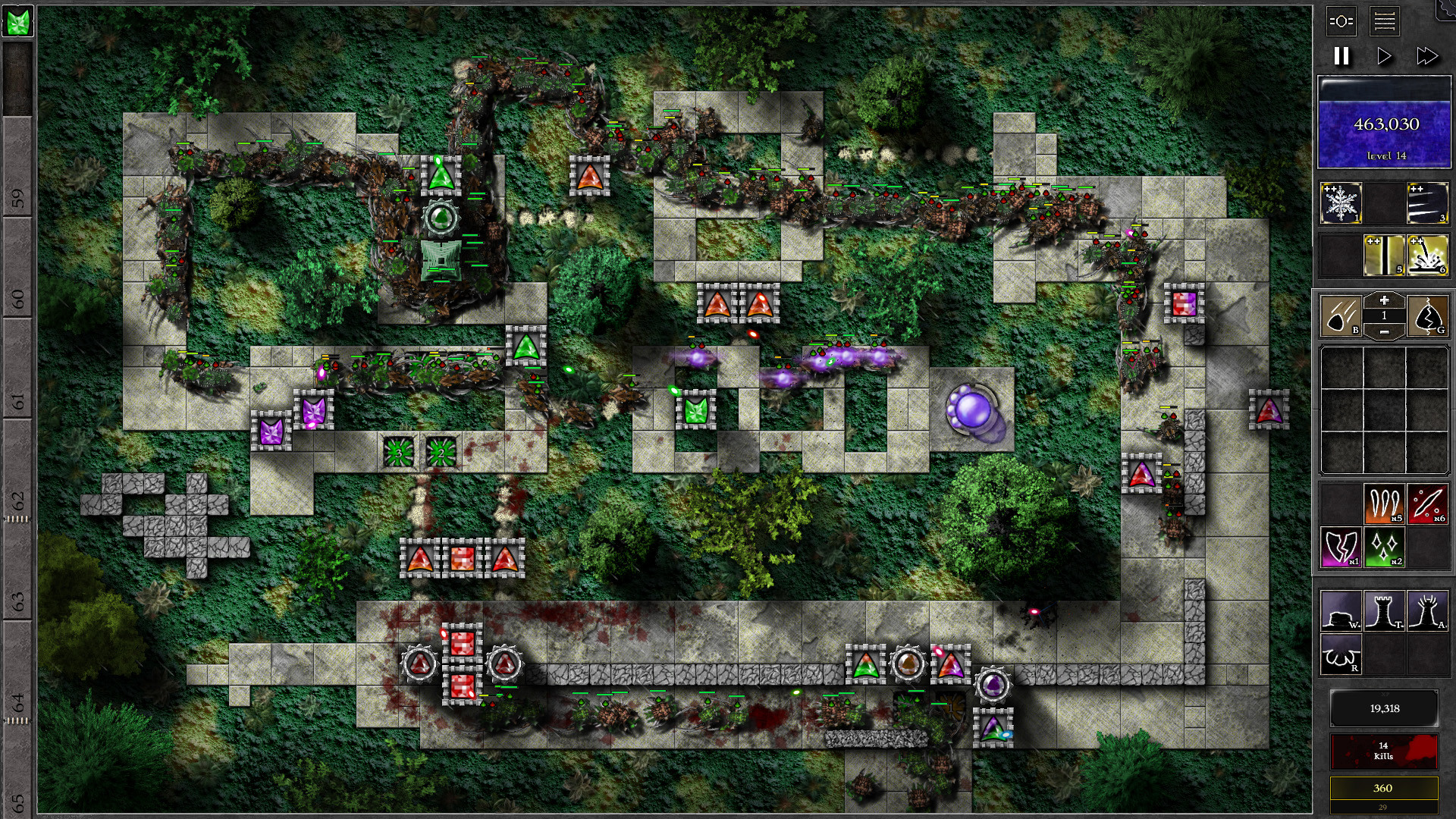
Tower defence games are one of those genres that seem simple on the surface but have an incredible amount of depth once you start digging into them. At their core, the idea is straightforward: stop waves of enemies from reaching their destination by building defences along the way. Yet despite that simplicity, tower defence games have entertained players for decades and continue to evolve today. From browser classics and custom maps to modern indie hits, the genre has proven remarkably adaptable and remains one of my favourite forms of strategy gaming.
The roots of tower defence can be traced back further than many people realise. While games such as Rampart in the early 1990s featured defensive gameplay elements, the genre as we know it today didn't truly begin to take shape until the rise of real-time strategy games. It was within communities built around titles such as StarCraft and later Warcraft III that players began creating custom maps focused entirely on defending against waves of enemies. These player-made creations would go on to influence countless games and establish many of the mechanics that tower defence fans now consider standard.
For many players, the first real exposure to tower defence came during the golden age of browser and Flash gaming. Websites were packed with simple but addictive games that could keep players occupied for hours. Titles such as Desktop Tower Defense helped introduce the genre to a much wider audience, proving that carefully placing towers and managing upgrades could be just as engaging as far more complex games. It was during this period that tower defence really exploded in popularity and became a recognised genre in its own right.
One of the reasons tower defence games became so successful is that they reward planning and decision-making rather than fast reflexes alone. Every tower placement matters. Every upgrade can influence the outcome of a battle. Success often comes from understanding enemy paths, identifying weaknesses in a defence and adapting your strategy before things start to go wrong. Watching a carefully designed setup perform exactly as intended remains one of the most satisfying experiences in gaming.
As the genre matured, developers began experimenting with new ideas and hybrid mechanics. Some games introduced hero units, allowing players to take a more active role in battles. Others incorporated role-playing systems, city-building elements or progression mechanics that carried across multiple runs. Rather than remaining static, tower defence games continually borrowed ideas from other genres, helping them stay fresh and relevant even as gaming trends shifted over time.
The indie gaming boom gave tower defence another significant boost. Smaller development teams were able to experiment freely, creating unique takes on the formula without the constraints often faced by larger studios. This led to a huge variety of experiences, ranging from minimalist strategy games to complex systems featuring dozens of tower types, intricate upgrade trees and procedurally generated challenges. Many of the most creative tower defence games available today come from independent developers who continue to push the genre in exciting new directions.
More recently, tower defence games have started blending with genres that are particularly close to my heart. Incremental mechanics, automation systems and roguelite progression have all found their way into modern tower defence experiences. Games can now reward long-term progression while still delivering the strategic gameplay that made the genre popular in the first place. These combinations have helped introduce tower defence to entirely new audiences while giving long-time fans fresh ways to enjoy familiar mechanics.
Despite all the innovation and experimentation over the years, the core appeal of tower defence remains unchanged. There's something uniquely satisfying about building a defence, refining a strategy and watching it hold firm against overwhelming odds. Whether you're revisiting classic browser favourites, exploring custom-map inspired designs or discovering the latest indie release, tower defence games continue to offer some of the most rewarding strategic experiences available. For me, that's why the genre has stood the test of time and why I suspect it will continue to thrive for many years to come.
Share This Review
Know someone who might enjoy this game? Send the review their way.
De Tom Plays is a gaming website and YouTube channel focused on discovering hidden gems, indie games, demos, playtests, tower defence games, incremental games and cosy experiences. With more than 45 years of gaming experience, Tom shares gameplay videos, reviews and articles designed to help players find games worth their time.