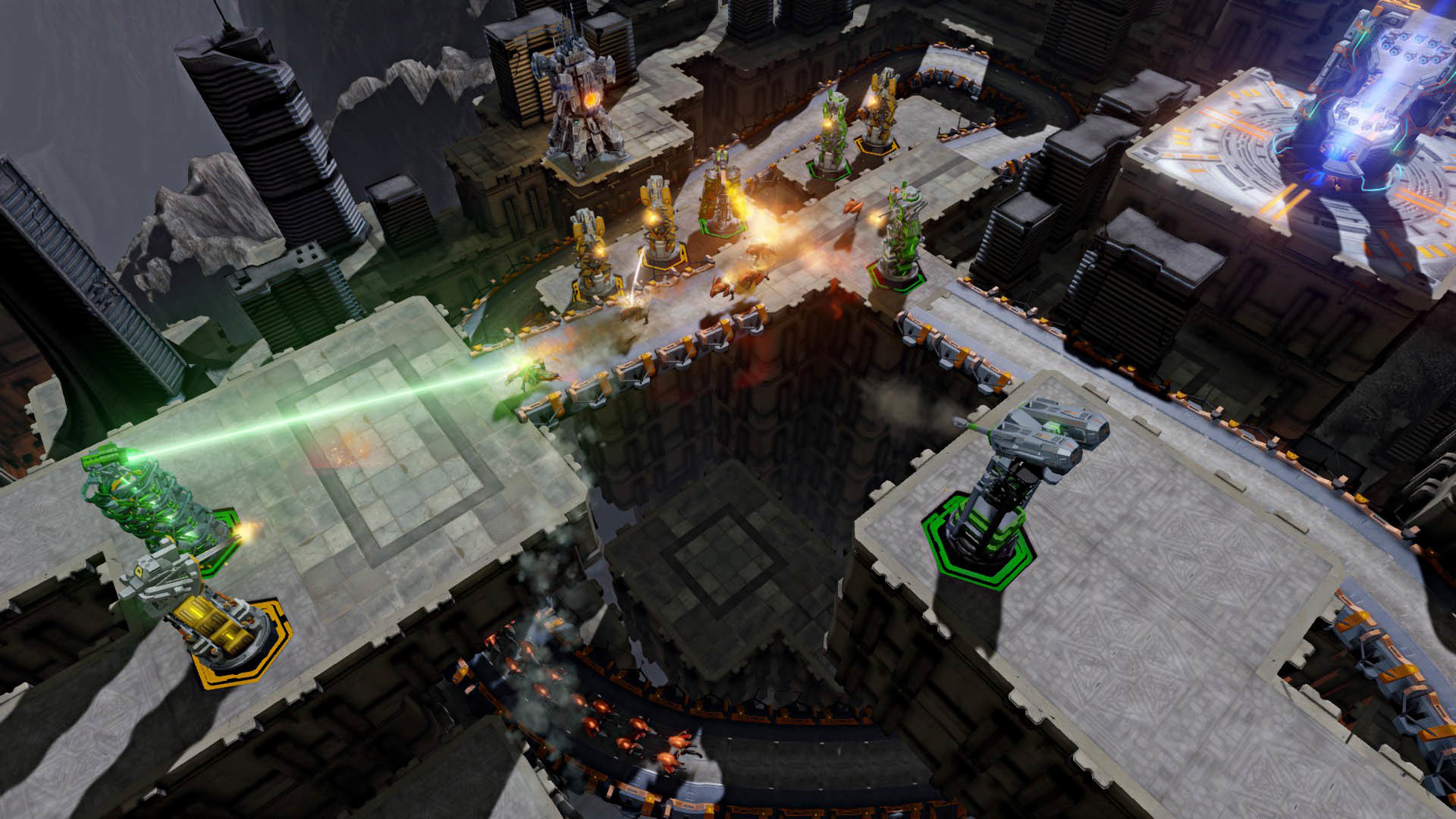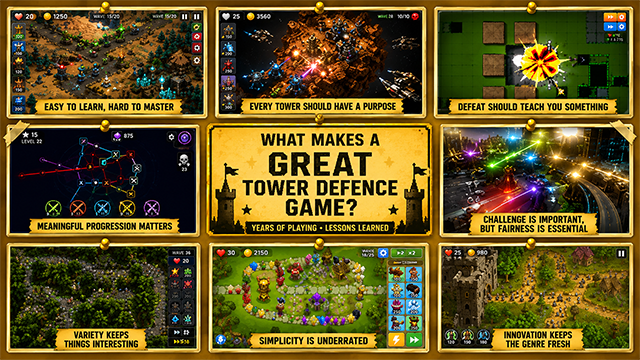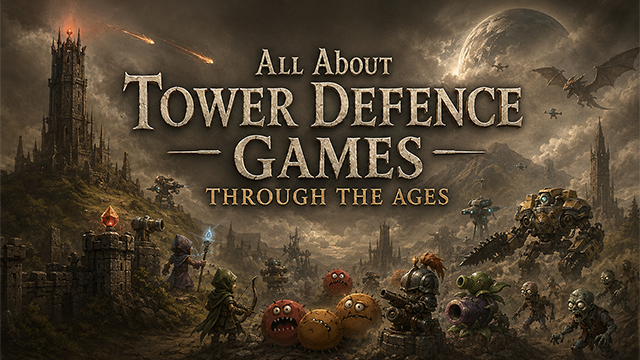

Tower defence games have been around for decades, yet they continue to attract both long-time fans and entirely new players. In an industry where genres regularly rise and fall in popularity, tower defence has proven remarkably resilient. Whether you're defending a medieval kingdom, protecting a futuristic colony or fighting off waves of monsters, the basic formula remains as satisfying today as it was when many of us first discovered the genre. The reason is simple: tower defence games combine accessibility, strategy and progression in a way that few other genres can match.
One of the biggest strengths of tower defence games is how easy they are to understand. Most players can grasp the basic concept within minutes. Enemies follow a path, towers attack them and your goal is to stop them reaching their destination. Unlike some strategy games that can overwhelm new players with complicated systems, tower defence games usually provide a clear objective from the very beginning. Yet beneath that simplicity lies a surprising amount of depth, which is one of the reasons the genre continues to appeal to such a wide audience.
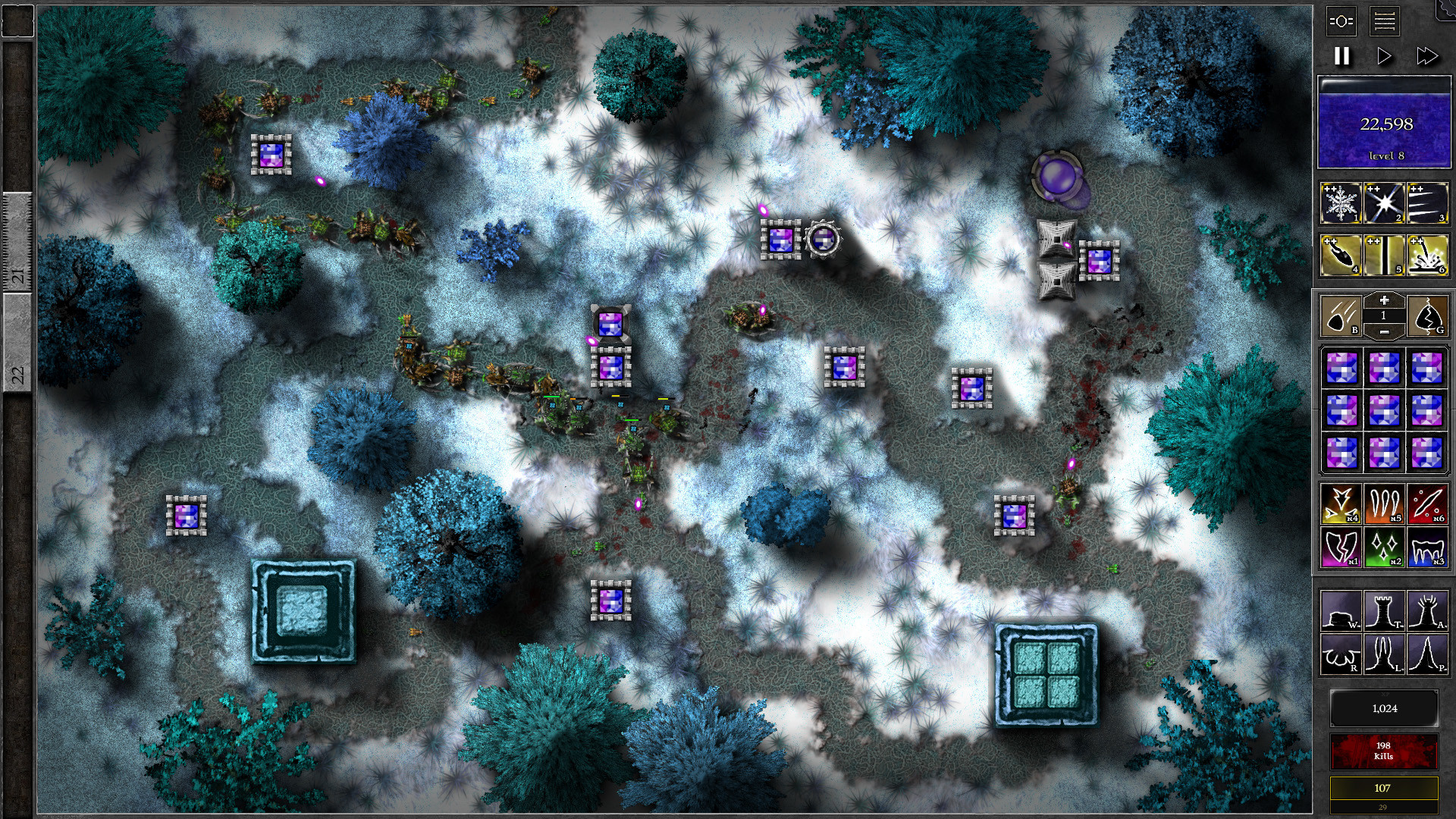

Another reason tower defence remains popular is the satisfaction that comes from seeing a plan work. Every tower placement is a decision. Every upgrade is a choice. Success often depends on thinking several waves ahead and preparing for challenges before they arrive. When a carefully constructed defence holds firm against what looked like an impossible attack, the sense of achievement can be incredibly rewarding. Few gaming genres make players feel quite as clever as a tower defence game when everything finally clicks into place.
What makes this particularly interesting is that tower defence rewards strategy without necessarily demanding lightning-fast reactions. Many games focus heavily on reflexes, accuracy or mechanical skill. Tower defence games take a different approach. While some modern titles introduce active abilities and hero units, success is still usually determined by planning, resource management and decision-making. This allows players to think carefully about their choices and learn from their mistakes, creating a style of gameplay that remains engaging without feeling overwhelming.
One reason the genre has survived for so long is that every map effectively becomes a puzzle waiting to be solved. Players naturally look for ways to improve their performance, optimise tower placements and refine their strategies. Even after completing a level, there is often a temptation to try again and see if it can be done more efficiently. That constant pursuit of improvement gives tower defence games enormous replay value and helps explain why many players continue returning to them for years.
The genre has also evolved significantly over time. Older tower defence games were often relatively simple affairs. Players placed towers, built mazes, survived waves and chased ever-higher scores on leaderboards. Success was frequently measured by how long you survived or where you ranked compared to other players. Those games were hugely addictive and helped establish many of the foundations that still exist today. For many players, seeing your name climb a leaderboard was every bit as satisfying as completing the game itself.
You Might Also Enjoy
Why Cosy Games Have Become So Popular
Discover why cosy games have become one of gaming's fastest-growing genres and why players love them.
Modern tower defence games, however, have become far more sophisticated. Developers have introduced hero systems, roguelite mechanics, meta progression, automation features and even incremental game elements. Many modern titles combine multiple genres together, creating experiences that offer far more than simply defending against waves of enemies. Rather than abandoning the traditional formula, these additions have expanded it, allowing tower defence games to remain fresh while still preserving the core gameplay that made them popular in the first place.
Ultimately, tower defence games remain popular because the central idea is timeless. Building a defence, adapting to challenges and overcoming overwhelming odds simply feels good. The genre has successfully evolved alongside the gaming industry while never losing sight of what made it special in the first place. Whether you're revisiting a classic favourite or discovering a modern indie release, tower defence games continue to offer the same rewarding blend of strategy, progression and satisfaction that has kept players coming back for decades.
About De Tom Plays
De Tom Plays is a gaming website and YouTube channel focused on discovering hidden gems, indie games, demos, playtests, tower defence games, incremental games and cosy experiences. With more than 45 years of gaming experience, Tom shares gameplay videos, reviews and articles designed to help players find games worth their time.
Learn More About Tom