
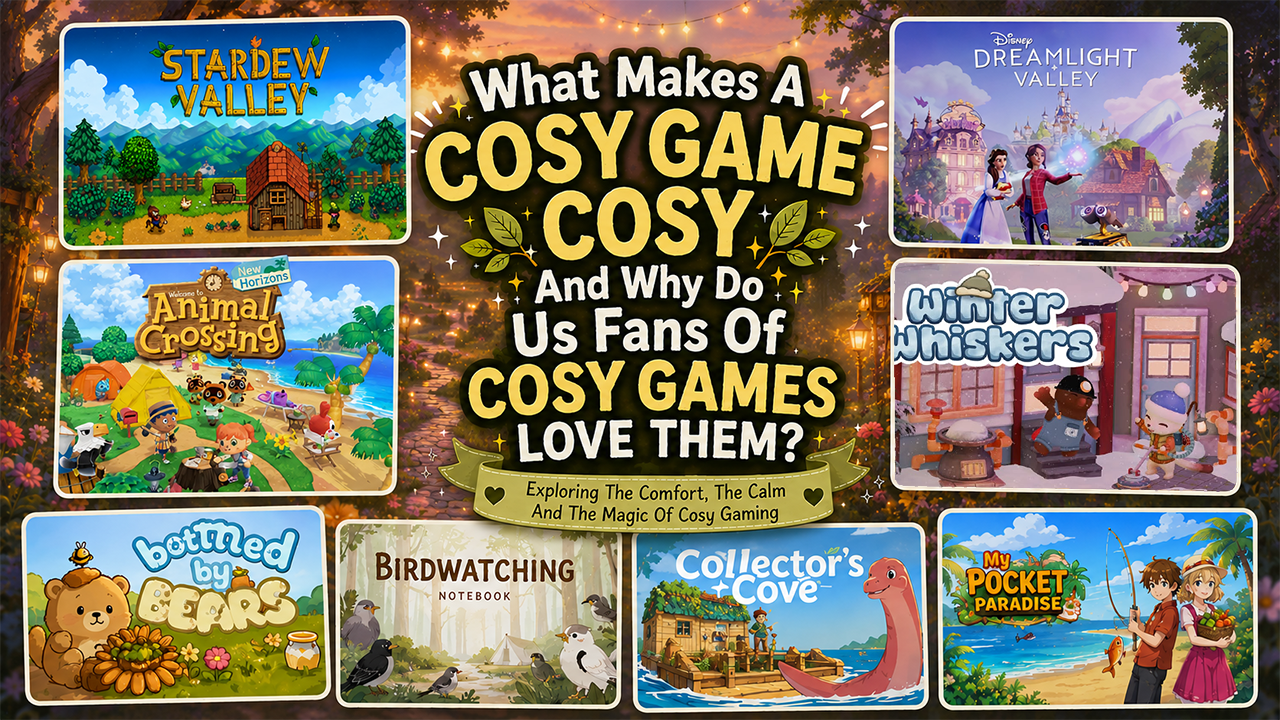
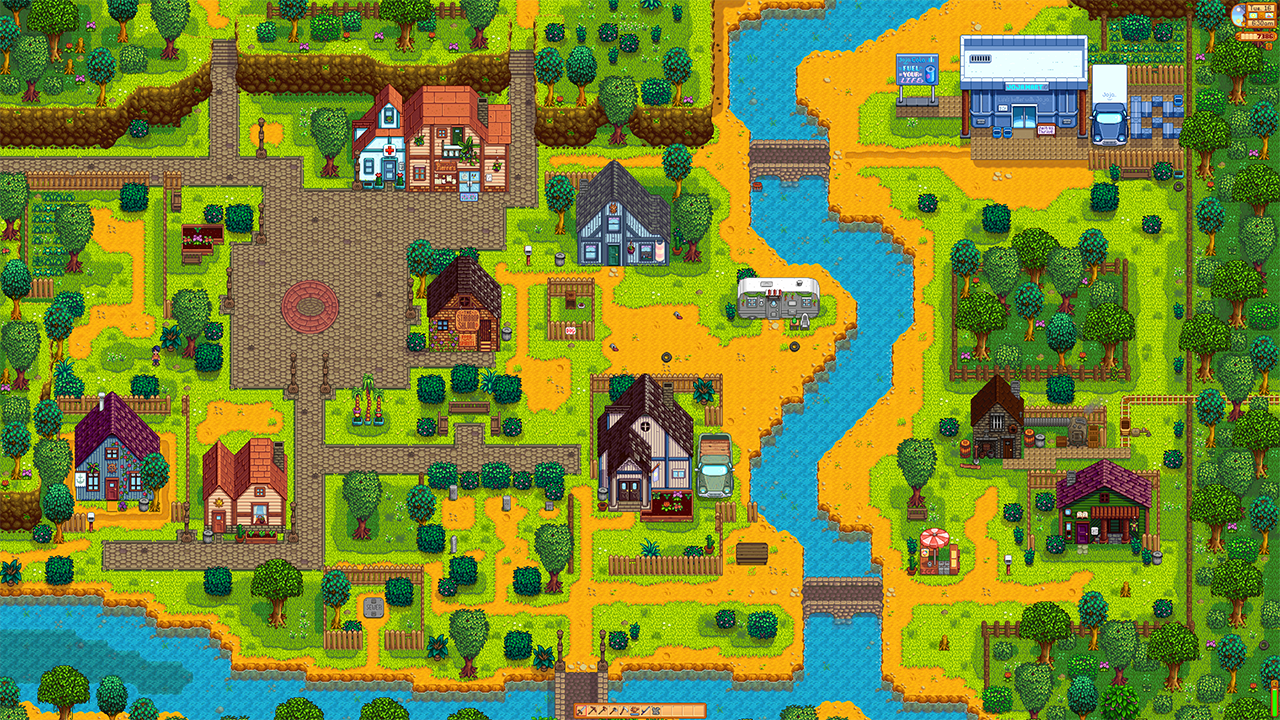
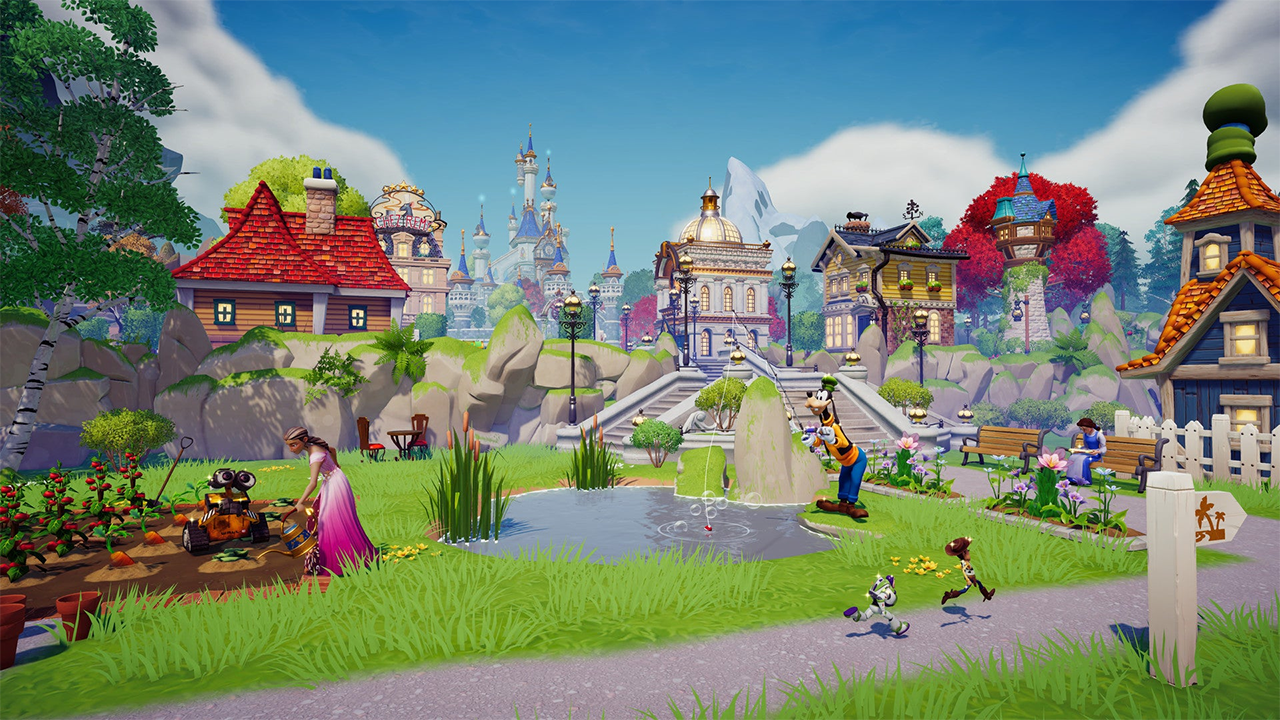
For me, cosiness is much more about how a game makes me feel while I am playing it. I want to be able to relax, take things at my own pace and enjoy being in the world the developers have created. Games such as Stardew Valley, Animal Crossing and Disney Dreamlight Valley are obvious examples because they allow us to settle into routines, build relationships, decorate, collect things and generally decide for ourselves how we want to spend our time.
That freedom is important. A cosy game can still give us things to do, goals to work towards and even the occasional challenge, but I don't want to feel as though the game is constantly standing behind me with a stopwatch. Sometimes I want to spend ten minutes rearranging a room, watching a bird or doing something that achieves absolutely nothing beyond making me happy.
That is one reason I enjoyed Nestify: Cozy Design. The simple act of taking an empty room and gradually turning it into somewhere warm and personal can be enough. Cutout Village approaches things differently, combining gentle village restoration with creativity and even real-world paper crafting, yet it creates a similar feeling. Neither game needs to fill the screen with explosions or constantly test my reactions. They give me something pleasant to do and then allow me to enjoy doing it.
Even a hidden object game can feel cosy. The likes of 100 Hidden Dogs and 100 Hidden Aliens are incredibly simple experiences, but that lack of pressure is part of their appeal. There are no enemies chasing me, no countdown clock ticking away and no enormous consequence for taking my time. I can simply sit, look and enjoy the search.
So perhaps the best definition I can give is that a cosy game creates a space in which I feel comfortable spending my time. How it achieves that can vary enormously, and that is part of what makes cosy gaming so interesting.
Look at many of the biggest games being played by men around my age and you will see Call of Duty, Grand Theft Auto, Ghost Recon, Escape from Tarkov and countless other games built around guns, violence and conflict. There is absolutely nothing wrong with enjoying those games, but most of them simply do not appeal to me. I am a heterosexual man in my 50s, but that does not mean I am somehow contractually obliged to spend my evenings shooting people. 😂
I am a gentle person by nature, and that inevitably influences the games I am drawn towards. Even in Minecraft, I feel bad when I have to kill cows because I need leather. As for the pigs, I simply leave them alone because I don't need to kill them. If a game gives me the option to avoid harming something, there is a very good chance that is exactly what I will do.
That is why games built around observing, creating and caring can be so appealing. Birdwatching Notebook lets me enjoy the simple pleasure of watching birds arrive and gradually building up a collection. There is no villain waiting behind the bird feeder. Nobody is going to attack me because I have identified the wrong species. It can simply sit there on my desktop being lovely.
Then there is Bottled by Bears, a game about a family of bears keeping bees and making honey. I could happily sit and watch its little world for hours. The bears are busy, the bees are doing their thing, honey is being made and nobody has asked me to save civilisation before teatime. Sometimes that is all I want from a game.
The same broad feeling can come from very different experiences. One cosy game might have me decorating a room, another might have me exploring nature, solving a gentle puzzle, restoring a village or simply watching something adorable get on with its day. The mechanics are different, but the feeling underneath them can be remarkably similar.
That does not mean I want to pretend the real world does not exist. It means that sometimes I want a little respite from it.
A cosy game can give me that. For an hour or two, I can go somewhere gentler. I can potter around, complete a few little tasks and enjoy a world where the biggest problem I face might be deciding where to put a chair or finding the last thing needed for a collection. When I finish playing, the real world is still there, but I have had some time at peace.
This is also why I enjoy the narratives found in many cosy games. I do not always need a shocking twist, a betrayal or a beloved character being killed off to prove that a story has depth. Sometimes I want something gentle and predictable where I can be reasonably confident that things are going to work out in the end. It is probably the same reason I enjoy Christmas films and Hallmark movies. I know roughly where the journey is going, and that is part of the comfort.
A game such as Winter Whiskers can create that feeling through a charming world and gentle exploration, while other games find it through routines and companionship. Bottled by Bears does it with bears and bees. Birdwatching Notebook does it with birds quietly visiting my desktop. The route is different, but the destination is often the same: I feel calmer than I did when I started.
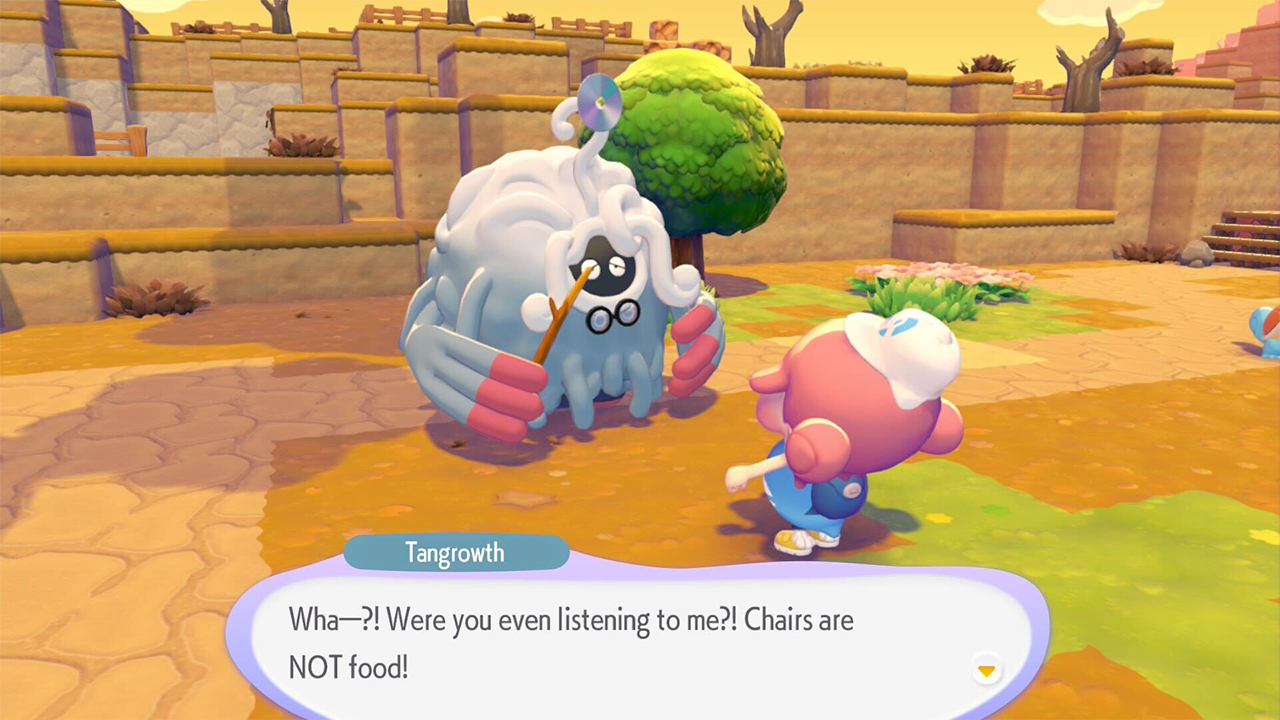
Pokémon Pokopia is another recent example of just how naturally an established series can move into that space. Pokémon has always had its battles, of course, but its world is also filled with creatures people have loved for decades. Put more emphasis on building, creating and living alongside them, and it becomes incredibly easy to understand why a cosy-game fan might immediately feel at home there.
Perhaps that is the real appeal for me. Cosy games do not always ask me to prove myself. Sometimes they simply invite me in.

Why Cosy Games Have Become So Popular
Discover why cosy games have become one of gaming's fastest-growing genres and why players love them.
The same is true of the smaller games I discover through De Tom Plays. Cutout Village offers creativity and restoration. Nestify: Cozy Design focuses on making a space feel like your own. Birdwatching Notebook can quietly live on your desktop, while Bottled by Bears turns bears, bees and honey into something I found genuinely difficult to stop watching.
Then we have the simple pleasure of searching. Games such as 100 Hidden Dogs and 100 Hidden Aliens show that a game does not need hundreds of hours of content or a sprawling open world to provide a relaxing experience. Sometimes twenty peaceful minutes spent staring at a hand-drawn scene while wondering how on earth you have missed that last dog can be exactly what you need.
And that is before we get into all the other ways developers are experimenting with the idea of cosy gaming. Some games are about running cafés, some are about wildlife, some are about collecting, some are about decorating and others are little worlds that simply sit alongside us while we do something else. There is no single blueprint.
I also think that is why trying to police the definition of a cosy game too rigidly misses the point. What I find cosy might not be what you find cosy. Some players find comfort in repetition. Others enjoy exploration, farming, fishing, decorating or organising. There are even people who find games cosy that I would personally find stressful.
For me, the common thread is the feeling. A cosy game is somewhere I want to spend time. It gives me room to slow down, enjoy the little things and step away from the noise for a while.
I can still go and defend a kingdom, build a tower defence maze or fight something unpleasant tomorrow. But tonight? Sometimes I would rather watch the birds, rearrange the furniture, make some honey or leave the pigs in Minecraft completely alone.
And I am perfectly happy with that. 💜
About De Tom Plays
De Tom Plays is a gaming website and YouTube channel focused on discovering hidden gems, indie games, demos, playtests, tower defence games, incremental games and cosy experiences. With more than 45 years of gaming experience, Tom shares gameplay videos, reviews and articles designed to help players find games worth their time.
Learn More About TomRelated Articles
More thoughts, discoveries and articles from De Tom Plays.
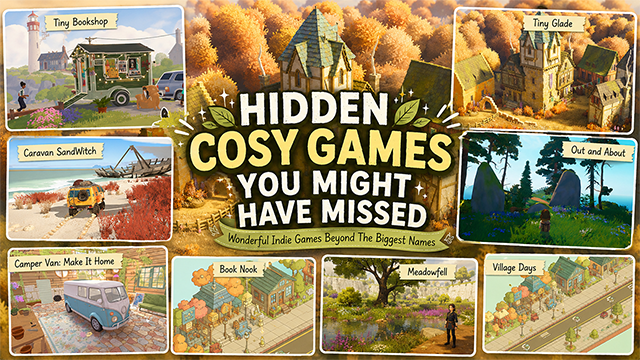
Hidden Cosy Games You Might Have Missed
Discover hidden cosy games that deserve more attention and why looking past the biggest names can lead to great surprises.
Read Article
🍃 Why I'm Proud, As a Straight Man in My 50s, to Love Cosy Games
After more than 40 years of gaming, I've stopped worrying what other people think I should play. This is my look at why I'm proud to love cosy games, why nobody needs permission to enjoy hobbies that make them happy.
Read Article